Food Bank unifies community and employee support with Zendesk
Through the Tech for Good program, the San Francisco-Marin Food Bank uses the Zendesk platform to manage participant support and internal operations. What began as a tool to handle hotline calls during the pandemic now unifies customer and employee service—improving collaboration, efficiency, and data-driven decision-making to better serve 36,000 households in San Francisco and Marin every week.
“Zendesk has really improved our ability to collaborate. We’re all on the same system and can more easily support each other—especially when an issue needs to be escalated.”
Jillian Tse
Associate Director of Participant Enrollment - San Francisco-Marin Food Bank
“The department now handles employee tickets more efficiently. Currently, we are around 98 to 100 percent with employee satisfaction, which is a pretty impressive customer satisfaction score.”
Mary Morter
Senior HR and Payroll Analyst - San Francisco-Marin Food Bank
Headquarters
San Francisco, California
Meals served weekly
36,000
Volunteers
54,921
Employees
200
98-100%
Employee CSAT
90.9%
Participant CSAT
900%
Increase in call volume
600%
Increase in email tickets
Since its founding in 1987, the San Francisco-Marin Food Bank (SFMFB) has stood as a pillar of compassion and community resilience in the Bay Area. Its mission is simple yet profound—to end hunger in San Francisco and Marin. Operating nearly 24/7 and year-round, the Food Bank works to address the hunger of today, and to prevent it from happening tomorrow. The Food Bank envisions a community free of the root causes of hunger, where everyone has access to nutritious food of their choosing and is uplifted by a network of support.
“Food banks are often the last line of defense against going hungry, and we work to keep barriers to food access as low as possible,” says Michael Braude, SFMFB’s Chief Financial Officer. “We do this by innovating solutions to hunger at scale, whether that is by sourcing large volumes of nutritious food we provide to our partners and participants or developing new approaches to ensure efficiency in all of our operations.”
Together with hundreds of community partners, the organization reaches every corner of the two counties it serves through a network of neighborhood food pantries, CalFresh (SNAP) enrollment outreach, home-delivered groceries, and other anti-hunger programs. It also advocates at local, state, and federal levels for policy changes that address the root causes of hunger.
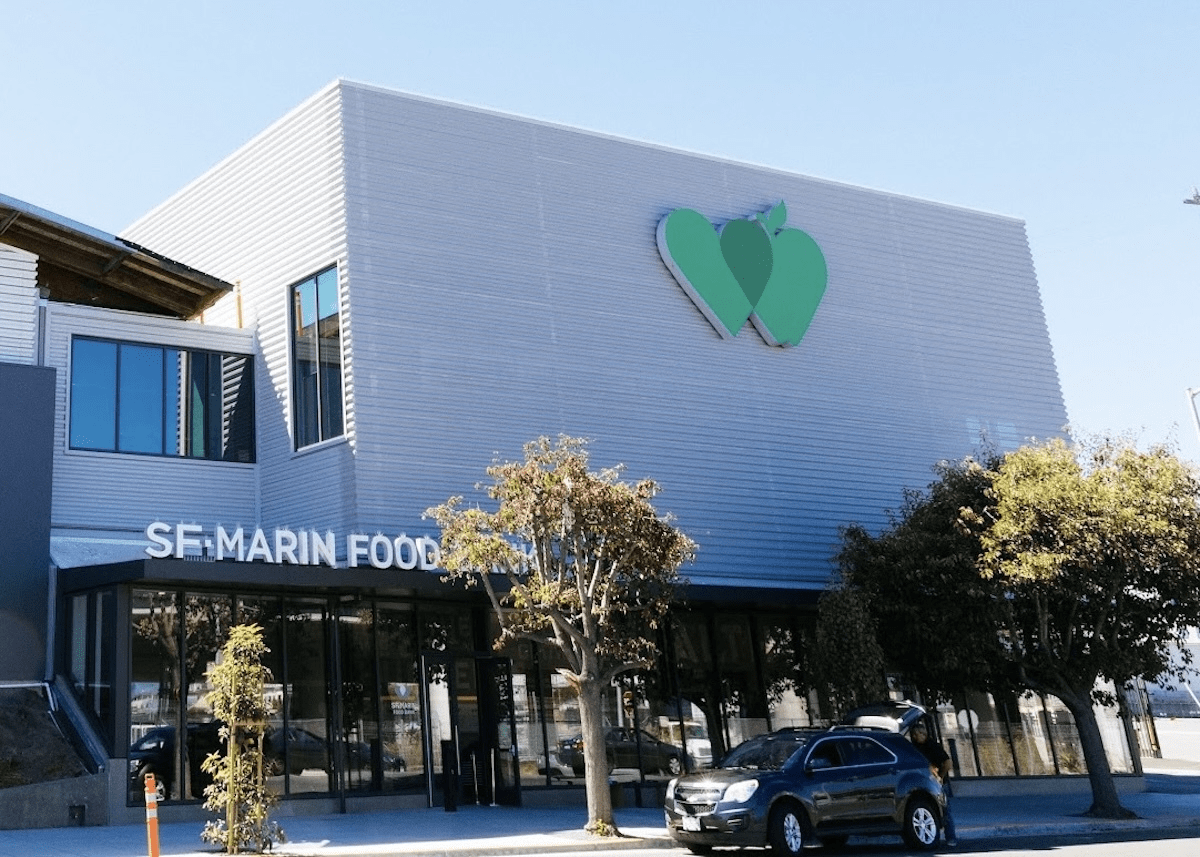
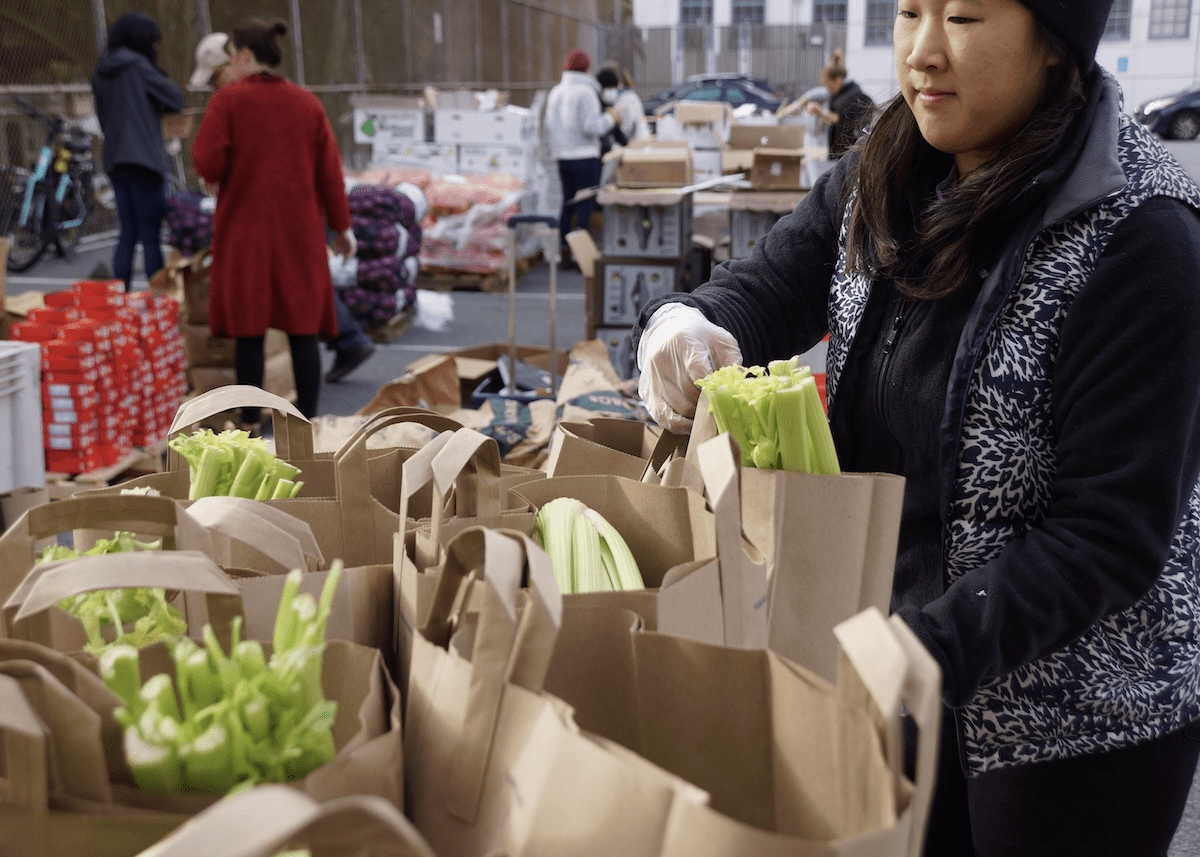
California may be the Golden State, but even with the region’s affluence, there are striking disparities. One in five Californians is at risk of hunger. Locally, one in three households in San Francisco and one in four in Marin do not earn enough to meet their basic needs. Today, the organization is a lifeline for more than 36,000 households every week, distributing over 56 million meals annually, with nearly 70 percent of that nutritious food being fresh produce.
Five years ago, when COVID-19 hit, it amplified existing inequities and forced SFMFB to rethink how it could meet an unprecedented surge in need. At the height of the pandemic, SFMFB scaled its home-delivered grocery program tenfold, serving more than 12,000 seniors and vulnerable households each week.
Amid this extraordinary growth, SFMFB realized that to sustain its impact, it needed a more effective way to communicate with both the community it serves along with its growing team of employees—and that’s where Zendesk’s Tech for Good Program stepped in.
Discovering Zendesk through Tech for Good
In the fall of 2020, Zendesk offered SFMFB complimentary access to its customer experience platform through its COVID Sponsored Accounts Program. At that time, the Food Bank had no integrated customer support system. Its teams were fielding a deluge of calls and emails through a basic phone system and spreadsheets—a patchwork process that was siloed, time-consuming, and not easily trackable.
“The pandemic required us to look for efficient ways to serve the many people in the community who need food. We created a new hotline in the summer of 2020 to handle the influx of calls,” recalls Jillian Tse, Associate Director of Participant Enrollment, SFMFB. “Once we learned what Zendesk could do—tracking calls, automating workflows, enabling language-based routing—it became clear this was the solution we needed.”
Initially, SFMFB used Zendesk to manage the surging growth in its home-delivered groceries program—the critical channel through which community members who suddenly find themselves homebound are able to access food resources. Within a year, the Food Bank transitioned fully to Zendesk Voice, creating a seamless, integrated phone experience that allowed staff to handle a tenfold increase in call volume with empathy and efficiency.
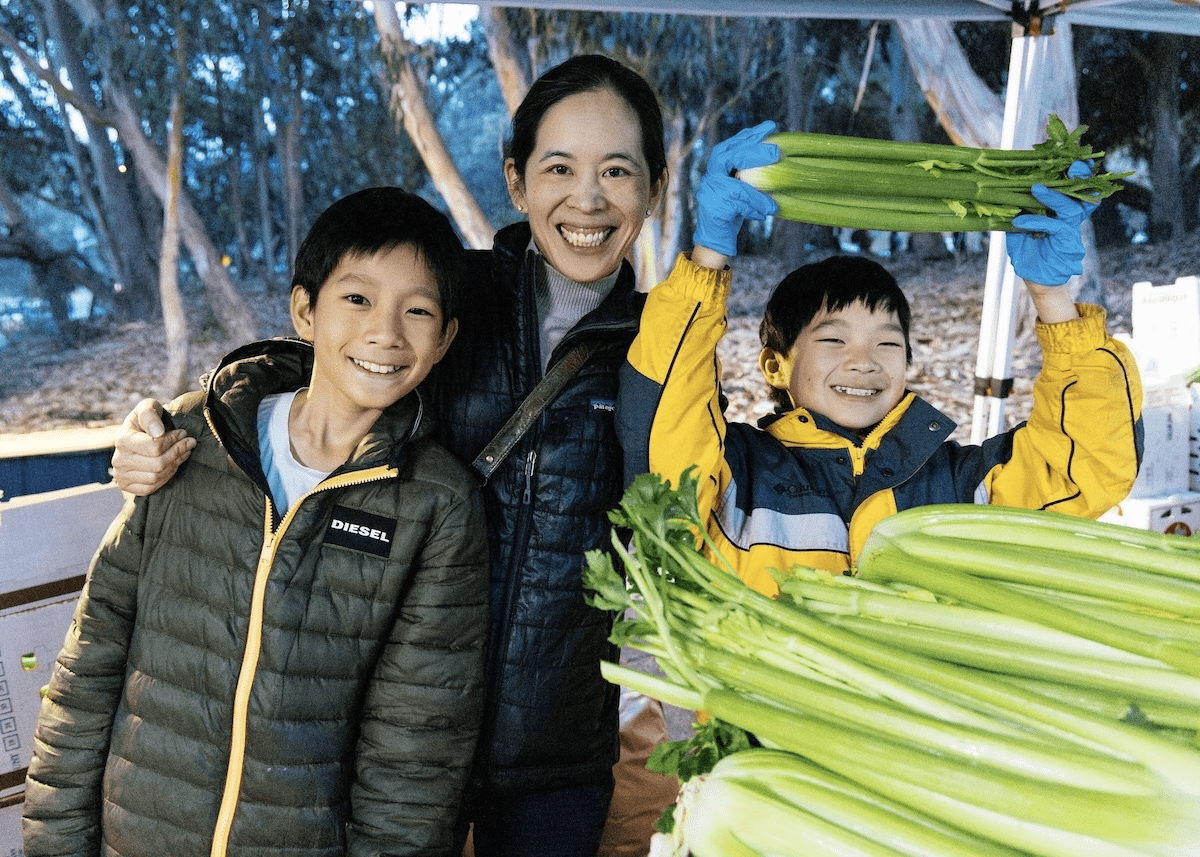
Transforming participant support with Zendesk
The impact was immediate. While the phone remains the most popular way for participants to reach SFMFB, it now offers text and email support for participants. This way, community members can connect with services in the way that works best for them—even outside regular business hours.
“We’ve gotten great feedback from participants,” says Tse. “They really appreciate the flexibility and the ability to reach out to us on a variety of channels.”
SFMFB’s staff members also recognized Zendesk’s benefits. Using its group and ticket assignment features, calls can now be directed to staff members based on language skills and program expertise, ensuring faster and more personalized service.
“Zendesk has really improved our ability to collaborate,” notes Tse. “We’re all on the same system and can more easily support each other—especially when an issue needs to be escalated.”
And with custom ticket fields and reporting dashboards, the SFMFB team now tracks why participants reach out, identifies trends in food delivery issues, and uses that data to improve services and inform local advocacy.
Zendesk has also enabled SFMFB to collect and analyze participant feedback more effectively. Each month, the Food Bank exports feedback data from Zendesk and shares it with corporate delivery partners—closing the loop between service delivery and quality improvement.
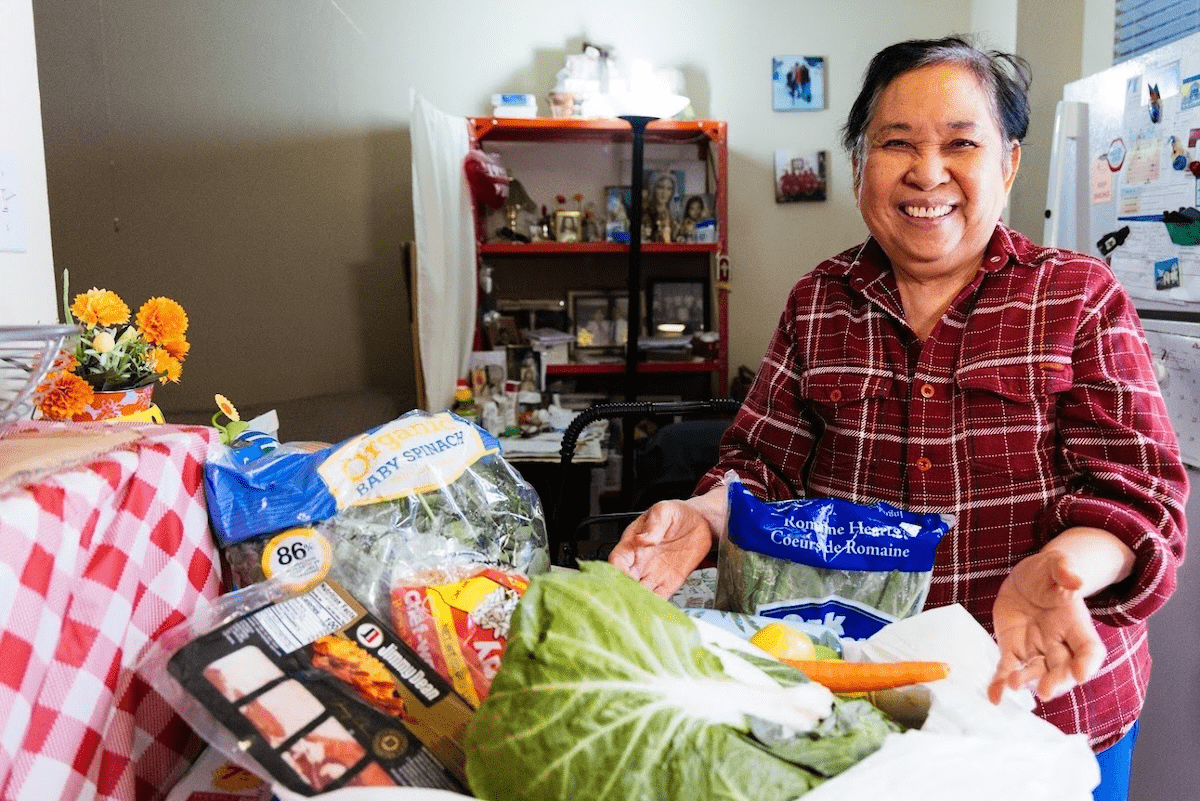
Expanding to internal employee support
The success of Zendesk in improving participant communications led SFMFB to consider another opportunity—using Zendesk for other departmental needs. As a growing organization with about 200 employees, the Food Bank needed a more consistent and transparent way to manage internal requests.
The People, Culture & Equity (human resources) department at SFMFB began using Zendesk to handle internal tickets and SLA management.
“The department now handles employee tickets more efficiently,” says Mary Morter, Senior HR and Payroll Analyst, SFMFB. “Currently, we are around 98 to 100 percent with employee satisfaction, which is a pretty impressive customer satisfaction score.”
Additionally, the Food Bank’s Development department adopted Zendesk for tracking donor and supporter inquiries.
“Before Zendesk, we did not have a tool to track all of our calls,” shares Megan Coleman, SFMFB’s Senior Annual Fund Coordinator. “Now, Zendesk metrics give us instant visibility into who’s calling and why, and how we can do better. It’s been transformative for reporting and internal planning. We’ve also dramatically reduced internal emails. Everything happens in a Zendesk ticket now, and that means decisions and context are captured for everyone.”
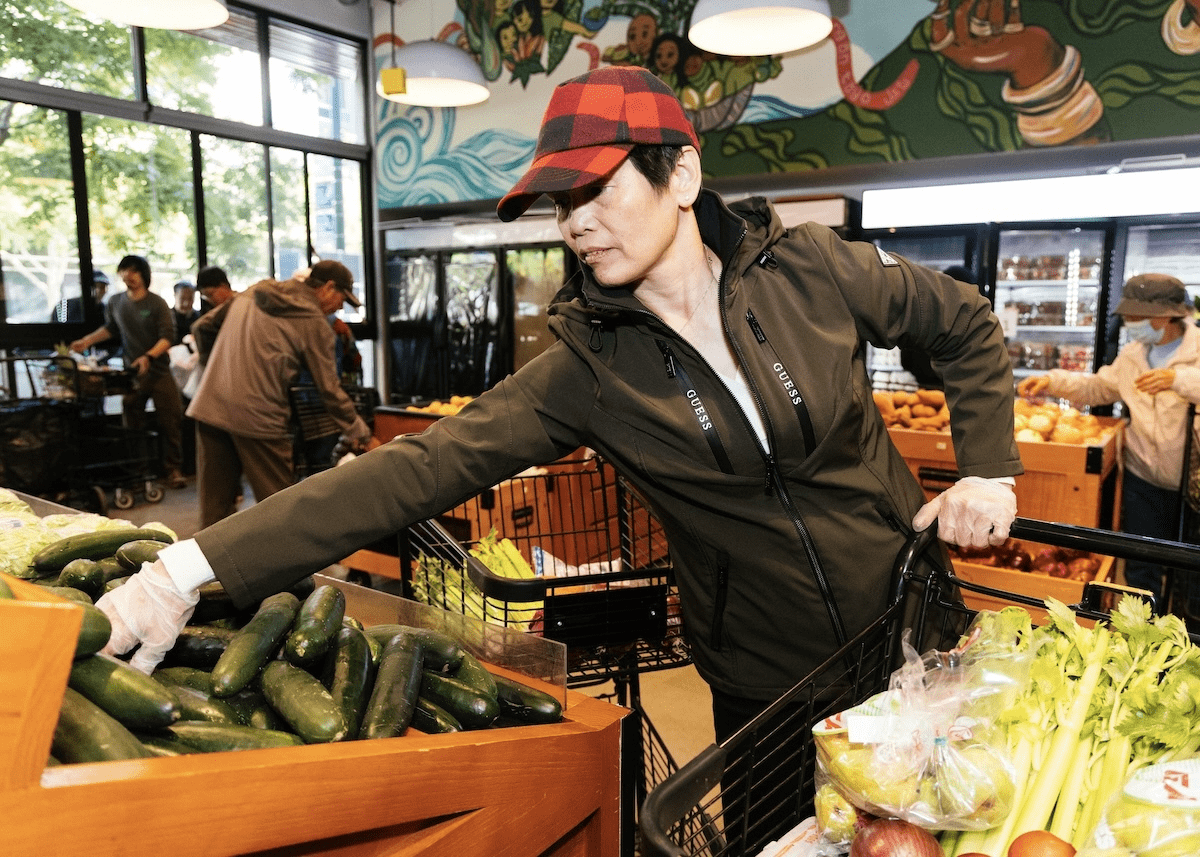
Unifying teams and strengthening community response
Previous to Zendesk, SFMFB’s Program teams operated independently, each managing separate hotlines and referral processes. Currently, all program teams share a central participant hotline, providing one easy-to-remember phone number for the entire organization. Staff can see who is online and available for call transfers, reducing bottlenecks and improving first-contact resolution. Ticket sharing between teams—like between Home Delivered Groceries (HDG) and Participant Enrollment and Customer Support (PECS)—ensures that inquiries are routed to the right place without duplication or delay.
Zendesk’s collaboration tools have also enhanced transparency. Managers are looped in on escalations, while standardized macros ensure consistency in communication and data collection. By leveraging Zendesk’s Knowledge tool, SFMFB is able to give employees easy access to vital information for use across the organization, enabling it to be more collaborative internally and more responsive to the community members it serves.
Most recently, during the federal government shutdown which delayed food access benefits for millions nationwide and 90,000 families in San Francisco and Marin, the Food Bank used Zendesk to track inquiries from people impacted by the shutdown.
“They were reaching out to us, wondering how they could pick up food temporarily,” says Tse. “Once we stood up our programming, we were able to follow up with those folks and let them know, here are your options. Let’s help you sign up for something.”
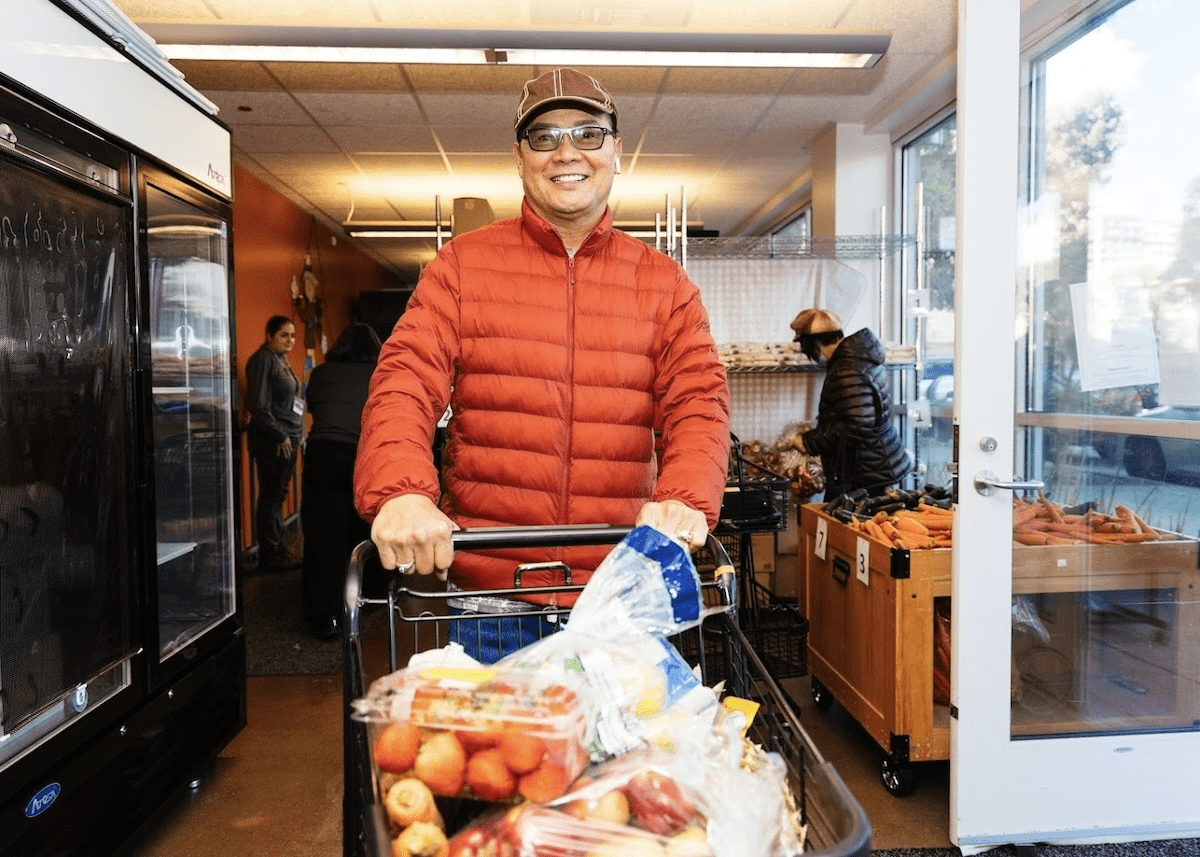
A partnership rooted in service
Through the Zendesk Tech for Good program, the SFMFB gained more than just software—it gained a partner committed to helping it advance its mission to end hunger in San Francisco and Marin. By extending Zendesk from external participant communications to internal employee operations, SFMFB has built a unified, data-informed ecosystem of support.
“We know that we don’t have all the answers, and that’s why we collaborate with our community partners to innovate new approaches to address food insecurity,” says Braude.
“Similarly, Zendesk has enabled us to develop new ways to efficiently reach those in need. In doing so, it has also helped our internal operations as well, and all of this helps to address the hunger we see today, while working on community-driven solutions to prevent the hunger of tomorrow.”
Photos courtesy of the San Francisco-Marin Food Bank